- Advertise with us
- [email protected]
How Doctors Can Mentor the Next Generation of Healthcare Professionals
The Expanding Scope of Nursing in Interdisciplinary Care Models
October 29, 20253 Complex Health Cases That Challenge Every Clinician
October 29, 2025Medicine evolves constantly; it requires vast scientific knowledge and technical skill. It also requires a profound commitment to ethical practice, empathy, and lifelong learning. The healthcare landscape continues to grow increasingly complex, shaped by technological advances, new diseases, and shifting patient demographics.
Given this setting, the need to train the next generation of healthcare professionals is now paramount. While medical schools and residency programs provide the foundational structure, mentorship plays a unique role in guiding growth. It is mentorship that truly refines, inspires, and sustains a budding medical career.
In this article, we will delve into the indispensable role that experienced physicians play as mentors.
Share Real-World Clinical Experience
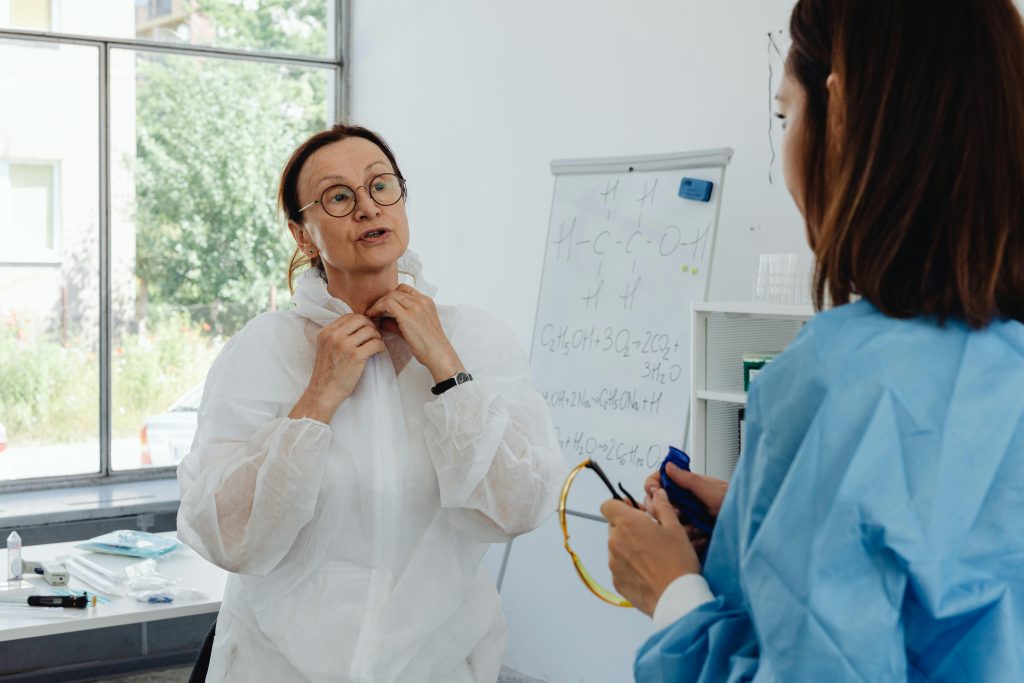
A study published by the National Institutes of Health reported that formal mentorship programs are present in many residency programs. Specifically, they exist in 50% to 82% of programs across Canada and the US. Most of these programs were implemented within the last decade. Such initiatives enable doctors to share real-world clinical experiences, which improve residents’ knowledge and decision-making skills.
By sharing patient cases, diagnostic challenges, and decision-making experiences, doctors give mentees a realistic view of medical practice. These insights help trainees grasp the complexities of patient care, where outcomes are uncertain and empathy matters as much as skill. Real-world stories strengthen reasoning and build confidence in handling uncertainty.
Guide Career Choices and Specialization Paths
Medicine encompasses a wide range of fields, from primary care to specialized disciplines. Many students find it challenging to determine where their skills and interests align most effectively. Doctors can provide valuable guidance through their firsthand knowledge. They can offer insights into specialties, discuss lifestyle considerations, and outline long-term career growth opportunities.
Harvard Business Review reported that 75% of executives attribute their success to guidance from mentors. Similarly, recent research shows that 90% of employees with a career mentor feel satisfied at work. These findings highlight the importance of mentorship in guiding career choices and specialization paths for aspiring healthcare professionals.
Support Nursing Students with Exam Preparation
Doctors can also support nursing students as they prepare to enter the profession. They bridge classroom knowledge and real-world practice by sharing clinical insights, study strategies, and lessons from training. Guidance on high-stakes exams like the NCLEX proves especially valuable.
Baylor University notes that the NCLEX is a nationwide exam for entry-level nurse licensure. It assesses critical thinking and foundational nursing knowledge. The Next Generation NCLEX, launched in 2023, requires examinees to answer a minimum of 85 questions.
When physicians explain their diagnostic reasoning and how to share concerns, they help nurses understand practical skills. This approach also supports nurse NCLEX prep and models mutual respect. This guidance empowers nurses to advocate for patients confidently. Early mentorship builds collaboration, enables physicians to value nurses’ insights, and supports safer, more effective interdisciplinary patient care.
Teach Professionalism and Ethical Standards
Doctors act as role models by showing integrity, empathy, respect, and accountability in daily practice. They guide mentees to handle patient information, address ethical dilemmas, and uphold boundaries. While not always emphasized in textbooks, these lessons are crucial for building trust with both patients and professional colleagues.
BMC reported an analysis of vignettes and survey responses collected from 241 students. Students identified 106 cases (43.9%) as related to professionalism, while researchers found 148 cases (61.4%). The main issues involved lack of respect (38.5%), bias (30.4%), and not meeting medical standards of care (29.1%). These findings highlight why mentorship in professionalism is essential.
Encourage Research and Academic Development
Doctors can inspire mentees to engage in research and academic growth beyond clinical care. By offering guidance in research design, data analysis, and publication, they provide valuable direction. Such mentorship strengthens critical thinking and promotes evidence-based practice, which enriches future contributions to medicine.
Encouraging students to take part in conferences, journal clubs, and collaborative projects builds academic curiosity and recognition. These experiences expose them to diverse perspectives and professional networks. Research engagement enriches learning while also expanding career opportunities in teaching, healthcare policy, and highly specialized medical fields.
Leverage Technology and Online Platforms for Mentorship
Mentor National reported that 40% of young people grow up without ever having a mentor. Additionally, 67% recall times in their youth when they needed guidance from a mentor but did not have one available. Technology has expanded the possibilities of mentorship. It allows doctors to guide future healthcare professionals beyond traditional face-to-face interactions.
Online platforms, video conferencing, and digital tools make it easier for students to connect with mentors despite distance or busy schedules. Doctors can provide support through virtual case discussions, resource sharing, and tele-mentorship. These approaches also promote inclusive mentorship by connecting learners from diverse backgrounds and experiences.
Frequently Asked Questions
How do doctors mentor students in handling stress and burnout early in their careers?
Doctors help students manage stress and burnout by sharing coping strategies and modeling healthy work-life balance. They also encourage mindfulness, resilience techniques, and seeking support when necessary. This mentorship equips future professionals to maintain well-being and provide compassionate, effective care throughout demanding healthcare careers.
How can doctors guide work-life balance for students?
Doctors help students achieve work-life balance by modeling healthy boundaries, rest, and time management. They also promote self-care, hobbies, and supportive networks. Through such mentorship, students learn that personal well-being strengthens resilience, career satisfaction, and professional effectiveness in healthcare.
How can doctors motivate students to engage in volunteer or community work?
Doctors encourage students to engage in volunteer or community work by showing its impact on patient care and public health. They share personal experiences and suggest meaningful opportunities. Recognizing contributions fosters empathy, responsibility, and purpose, which strengthen professional growth and dedication to healthcare.
Shaping the Future of Healthcare
Mentorship is a powerful way for doctors to shape the next generation of healthcare professionals. It goes beyond teaching skills and knowledge by building character and resilience. Early guidance in stress management, work-life balance, and community engagement is essential.
Such support ensures professionals remain empathetic and prepared for modern challenges. Ultimately, mentorship strengthens careers and contributes to a capable, ethical, and patient-centered healthcare system.
